
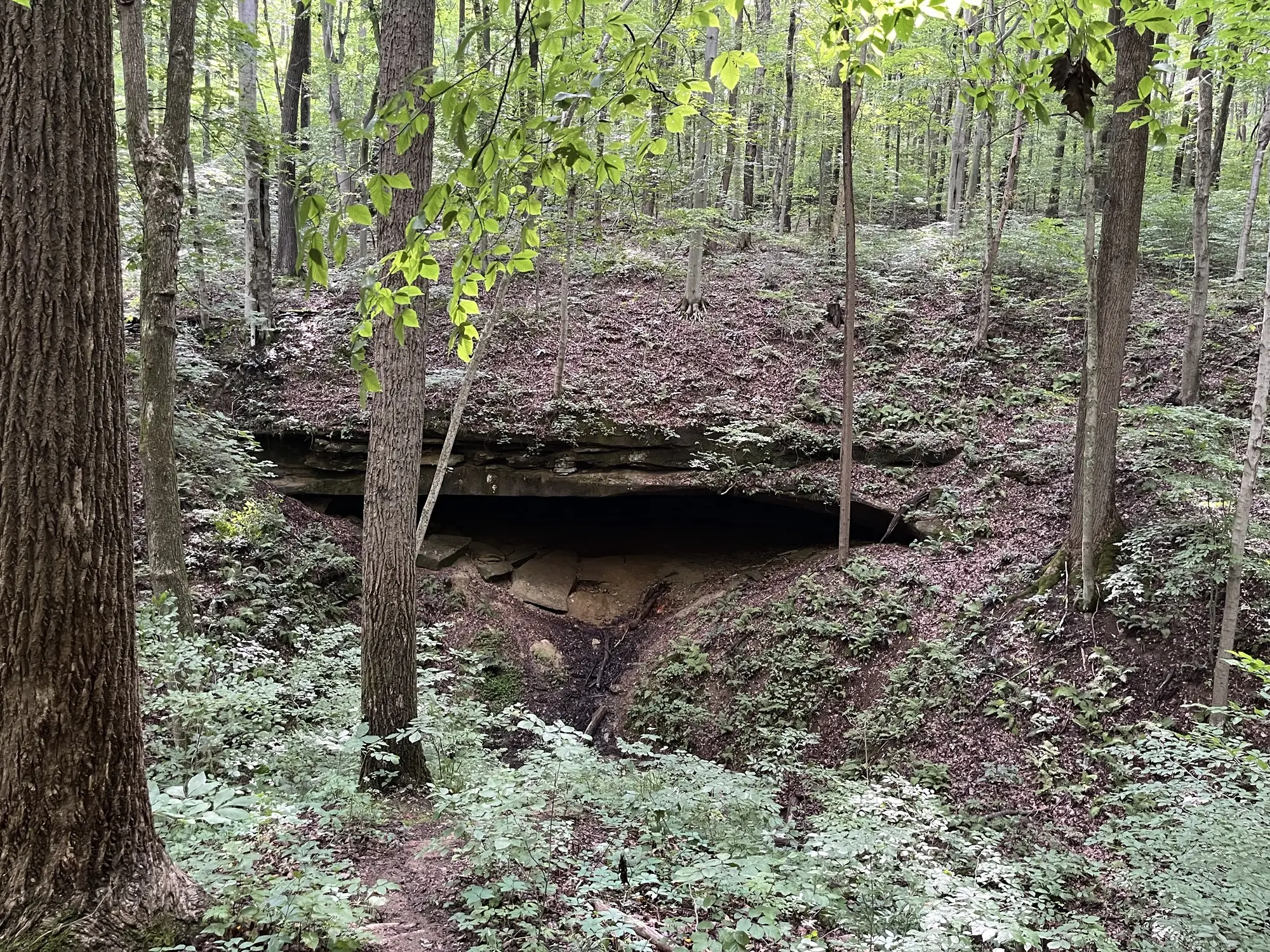
Best For:
Lovers of Earth, Hiking Enthusiasts, Nature Journal Readers, & Individuals interested in Leave No Trace.
The Essence:
Read Time: 🕰️ 3-4 minutes| Mood: 🍁 Natural & Respectful | Weight: 🥾 Grounded
The Vault:
- A Practical Guide to Trail Stewardship
- Hikers Who Love The Earth
- How Do You Practice Leave No Trace Ethics on the Trail
- Why Is Awareness the Core of Outdoor Conservation
- What Is the Deep Ecology of the Backcountry
- How Does Trail Work Preserve Ecosystems for the Long Haul
- How to Live the Earth Day Mindset Daily

A Practical Guide to Trail Stewardship:
Earth Day isn’t just a calendar date when you spend the best days of your life on foot in nature. The trail doesn’t wait for April 22nd to show you how fragile or resilient an ecosystem is. It shows you on a cold morning in November when the ground frost covers the mud and it shows you in July when a low-water creek forces you to look closer at what’s surviving in the shallows.
When your heel hits the dirt multiple days a week, Earth Day stops being a single calendar observance and becomes the living standard by which you move.
Some people try to package reverence for the planet into a single spring morning. We plant a sapling, pick up a piece of stray plastic along a park driveway, post a photo of a green canopy, and call the obligation paid for another year. When you spend enough time moving through the woods, that annual celebration starts to feel almost absurd. The moss grows according to moisture and shadow; the sandstone breaks down grain by grain regardless of what month we have pinned to the wall.
Stewardship on foot isn’t a seasonal sentiment; it’s a daily practice of paying attention to what we touch, where we step, and what we leave behind.

Hikers Who Love The Earth:
Out in nature, the environment isn’t an abstract concept or a distant news headline. It is the steepness of the climb, the temperature of the air beneath the thick canopy, and the silt settling in a creek bed after a sudden cloudburst. Moving slowly across variable terrain makes you hyper-aware of subtle shifts in the landscape. You start noticing how a single season of heavy foot traffic widens a path, carving away fragile root systems and altering how water drains down a steep ridgeline.
There is a quiet, cumulative weight to our presence in the backcountry. Hundreds of casual steps compress the soil until nothing green can push through, turning vibrant undergrowth into packed clay. A single wrapper or stray scrap of paper doesn’t vanish into the woods; it sits there, frozen in time, waiting for someone else to carry the burden out.
When you walk the same woods week after week, across state parks, nature preserves, and backwoods hollows, you stop viewing nature as a backdrop for outdoor recreation. You start seeing it as a living, working structure that demands respect every single time you step off the pavement.

How Do You Practice Leave No Trace Ethics on the Trail?
Leave No Trace gets thrown around so often that it can start to feel like a meaningless bumper sticker, but living it on the ground requires real discipline. Staying on the main path matters, even when the center of the trail turns into a stew of thick mud. Resisting the urge to walk around the edges keeps the trail from expanding outward and prevents erosion channels from tearing hillsides apart during the next heavy storm.
True stewardship also means understanding that organic trash like fruit peels or food scraps can take years to break down in cooler climates, long after you have packed up your kit and gone home. Tossed food waste alters native wildlife foraging habits and draws animals dangerously close to heavily traveled areas.
It means giving sensitive habitats time to recover during freeze-thaw cycles or nesting seasons, even when it ruins your original route plans for the weekend. Crucially, it means leaving geological specimens, ironstone veins, vintage glass fragments, chert flakes, and wild flora exactly where they rest so the next person gets to experience that exact same sense of natural discovery.

Why Is Awareness the Core of Outdoor Conservation?
The greatest gift the trail offers is a complete recalibration of how we see. In the city, we train our eyes to scan constantly for traffic, signs, and screen notifications. In the woods, your vision expands and slows down. You begin to notice the stark contrast of green lichen clinging to gray shale, the way heavy mineral veins run through a creek bank, and the distinct difference in sound between dry leaves breaking underfoot versus wet decay.
That level of attention naturally creates accountability. You simply cannot care about protecting something you don’t actively see. When you spend hours watching how water carves through solid rock or how a fallen tree becomes an entire micro-city for moss, fungi, and insects, you realize that nothing in nature exists in isolation.
Every single footprint leaves an impression on the ecosystem. The sole goal of a hiker is to make sure that impression does no lasting harm.

What Is the Deep Ecology of the Backcountry?
Beyond basic trail etiquette lies a deeper philosophical shift: moving from an anthropocentric view of nature, where the wilderness exists for human leisure, to an ecocentric one where we are simply one thread in an intricate web. When you spend long stretches in the woods, the boundary between the self and the landscape starts to blur. You begin to recognize that the air you breathe out is taken in by the white oaks above, and the water flowing through the creek eventually finds its way into the local water table that feeds surrounding communities.
This realization transforms stewardship from a set of rules into an instinct. You don’t pick up trash or stay on the mud-slicked trail because a sign told you to; you do it because harming the trail feels no different than damaging your own living room. Deep ecology teaches us that nature has intrinsic value independent of human usefulness. A moss-covered log, a hidden ravine, or an unpaved ridge has a right to exist undisturbed, regardless of whether a human ever sets eyes on it or photographs it.

How Does Trail Work Preserve Ecosystems for the Long Haul?
While individual habits build daily mindfulness, long-term conservation requires collective sweat and structural maintenance. Trails are not natural features; they are engineered interventions designed to contain human impact within a controlled corridor. Without active maintenance, heavy rains turn footpaths into rushing torrents, stripping away topsoil and exposing tree roots to disease and rot.
Engaging in volunteer trail maintenance, whether clearing fallen blowdowns, digging drainage dip channels, or constructing stone water-bars, reveals the immense physical labor required to keep wilderness areas accessible without letting them deteriorate. Building a retaining wall out of native timber or hauling rock to reinforce a muddy switchback gives you a profound appreciation for the infrastructure beneath your feet.
It shifts your perspective from being a consumer of outdoor spaces to an active contributor to their longevity.

How to Live the Earth Day Mindset Daily:
We don’t need more annual pledges or corporate sustainability campaigns to remind us that the planet is worth preserving. We just need to put our boots on, hit the trailhead, and pay attention to the ground beneath us.
By treating trail preservation, responsible hiking, and environmental mindfulness as standard operating procedures every time you step outdoors, Earth Day ceases to be an annual event and becomes a way of life.
When you build a life tied to the outdoors, Earth Day isn’t a date on the calendar. It is the mud on your boots, the quiet discipline to stay on the path, and the decision to leave the woods a little better than you found them every single time you step into the trees.

Read More:
Sustainable Hiking. Leave No Trace.
American Hiking Society – 12 Steps Hikers Can Take Towards Conservation.


Leave a Reply