
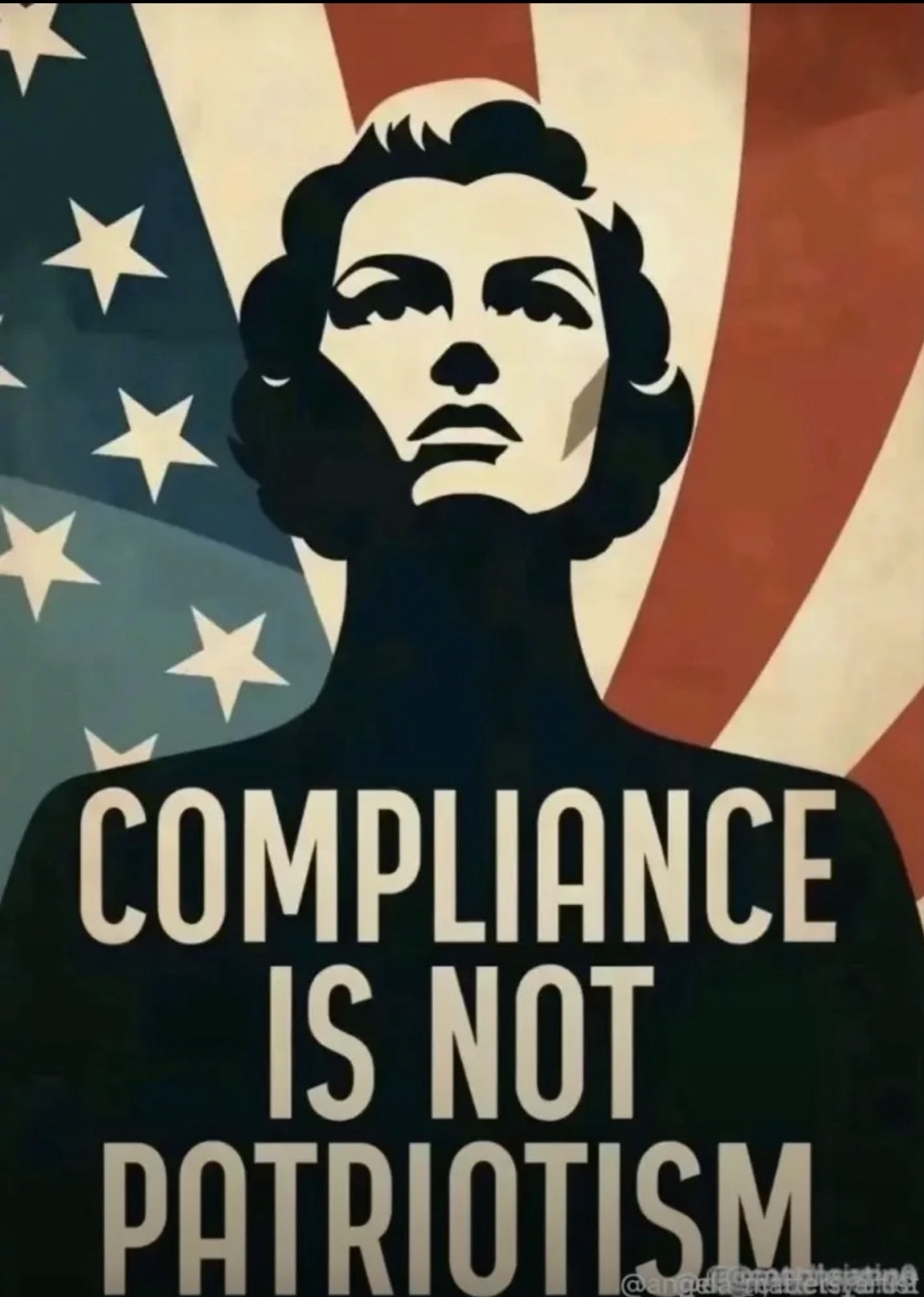
Best For:
Activists, history buffs, critical thinkers, open-minded people , independent creators, or anyone tired of being a pawn in a billionaire’s world.
What is the last thing you learned?
The Weaponization of the “Relatable”
The last thing I learned wasn’t one singular hard fact; it was a realization. An epiphany about at least half of the images we laugh at daily, these are used as bullets in a silent war. Images and videos for are viewing acting as bombs dropping in our brains.
We think of memes as harmless cultural shorthand. You likely think of a cat doing something cute with a catchy caption or a looped video of a celebrity blunder. If you look a little deeper, and you find Memetic Warfare. This is the tactical propagation of ideas to seize control of a narrative. It’s information operations wearing a mask of humor or shock, and it’s happening on every screen you touch.
A meme is a virus of the mind; it doesn’t need to be true to be infectious, it only needs to be shareable.
In this essay, we’re peeling back the “funny” and “cute” to look at how foreign powers and our own government use digital culture as a battlefield, the thin legal lines supposed to protect us, and the massive loopholes that keep the door wide open.
The Global Ping-Pong of Influence
Memetic warfare isn’t a conspiracy; it’s a documented line item in government budgets. Here is how the “Battle of the Feed” has played out historically:
- The Internet Research Agency (Russia) & The 2016 U.S. Election: The most cited example involves the IRA creating thousands of fake personas to spread divisive memes on Facebook and Instagram. They didn’t just support one side; they created content for opposing activist groups to incite real-world protests and internal friction among American citizens.
- Operation Earnest Voice (USA): A U.S. Central Command (CENTCOM) program developed to use “sockpuppet” software to spread pro-American narratives and counter-extremist propaganda on social media sites, specifically targeting foreign audiences in the Middle East to disrupt recruitment.
- The “Great Firewall” & The 50 Cent Party (China): Reports indicate that the Chinese government employs a massive “army” of commenters to flood social media with distracting, patriotic memes and posts wherever social unrest or criticism of the state begins to trend globally.
- The #MilkTeaAlliance: A fascinating case of grassroots counter-memetic warfare where activists in Thailand, Taiwan, and Hong Kong used shared culinary culture (Milk Tea) to create a unified digital front against authoritarianism.
The Legal Shield and Loopholes
The Law:
In the United States, we have the Smith-Mundt Act of 1948 (and its 2012 modernization). Originally, this law prohibited the government from directed domestic “propaganda“—meaning the State Department could broadcast pro-USA content to foreign countries, but they couldn’t aim those same “Information Operations” at us.
The Loophole:
In a borderless internet, the Smith-Mundt Act is essentially a paper umbrella in a hurricane. When the U.S. government deploys a memetic campaign to influence citizens in a foreign country, those memes don’t stay there. They get retweeted, shared, and “leaked” back into the American digital ecosystem. If an American citizen sees and shares a meme designed for a foreign psych-op, the government hasn’t “targeted” the citizen, but the psychological effect remains the same.
Let’s Pause for Just a Moment:
How often do you stop to wonder who actually created the meme you’re about to share?
Do you fact check it when it isn’t just funny but contains supposed fact, without source?
Have you ever felt your opinion on a major event shift because of a “relatable” post rather than a news article?
Drop your thoughts in the comments. Let’s talk about the last time a piece of digital art made you question your own bias.
Vulnerability as a Defense
The scariest part of memetic warfare isn’t the technology; it’s our own psychology. We are wired to lean into what feels familiar. These operations work because they target our anger, our pride, and our sense of community. When we reshare a “vibe” without checking the source, we are potentially volunteering as unpaid soldiers in a war we didn’t sign up for.
A weaponized narrative doesn’t look like a tank; it looks like a joke or relatable post assumed to be fact that you’re dying to share with your best friend
As individuals who all want a better future and present , it is our job to work in a way that is “intentional.” We need to aim to connect and to heal. But the battlefield of social media is designed for the “unintentional,” the mindless scroll, the knee-jerk reaction. To protect ourselves, we have to reclaim our attention. We have to treat the Digital landscape with the same reverence and caution as a physical territory. “In the age of information, ignorance is a choice, but being ‘informed‘ by a bot is a trap.”
The Narrative is Yours to Defend
Memetic warfare has redefined the frontline. It’s no longer just about who has the biggest missiles; it’s about who tells the most “relatable” story. We’ve seen foreign governments sow discord in our streets through JPGs, and we’ve seen our own systems struggle to keep up with the ethics of digital influence. The loopholes of “media leak” prove that no law can fully insulate us from the global flow of ideas.
The only real defense is a sharp, critical mind and a refusal to let our emotions be harvested for someone else’s agenda. Learn the tools, understand the definitions, and remember: if a meme is designed to make you hate your neighbor, it might just be a weapon.
Hey, Before You go…
Consider giving this post a share if you believe in digital sovereignty. Send it to the other people who are tired of the algorithm. The students who are studying political science or government, and the other individuals you know who always seem to be “doom-scrolling,” or even the ones who just want to stay in the know. We need more eyes on the digital frontlines.
Internal Links
Shia Lebeouf– Homophobic Rhetoric
JK Rowling– Transphobic Media
Dr. Seuss– Racist Rhetoric
Donald Trump– A history of Racism
Slurs– A deep dive on slurs and language
External Links
Consider Donating to any of the following to Keep this place Alive:
Cashapp. PayPal. Ko-fi. Buy Me a Coffee.





Say it. Don’t spray it.