
Tag: wheel of the year

  • Samhain: The Witch’s New Year — A Complete Resource

    Samhain: The Witch’s New Year — A Complete Resource

    Samhain, is one of the most powerful Sabbats on the Wheel of the Year.


    Observed from the evening of October 31 through November 1, it marks the transition from the light half to the dark half of the year. Many witches regard it as the Witches’ New Year, a liminal time when the veil between the worlds is at its thinnest.

    It is a season of endings, beginnings, remembrance, and transformation.

    This resource explores the history of Samhain, its multiple cultural roots, the way people celebrated in the past, how witches celebrate it now, the symbolism and correspondences tied to this sacred night, and ways to practice sustainably.


    History and Origins of Samhain:

    Samhain comes from Gaelic and Celtic tradition and was celebrated in Ireland, Scotland, and the Isle of Man. It marked the end of the harvest season and the arrival of winter. for ancient people, this was not only the division of the year but also a sacred turning point. Archeological sites like the Mound of the Hostages at Tara show alignments with sunrise around Samhain, suggesting the importance of this moment stretches back even further than Celtic times.

    In medieval Irish texts, Samhain appears as one of the great seasonal festivals. The name itself is tied to “summer’s end,” and in the Irish language, Samhain is also the word for November.

    During this time, the burial mounds or fairy hills…were believed to open, becoming portals to the Otherworld. Spirits, fairies, and ancestors could move more freely, and it was customary to honor and appease them.

    Bonfires were central to Samhain. Families would extinguish their home hearths and relight them from the great communal fire. People cast stones, bones, or tokens into the flames, sometimes as offerings or as part of divination.

    The Ashes and fire were believed to carry cleansing and protective powers. In some accounts, livestock were culled and sacrificed to ensure survival through the winter.

    Samhain was also a season of prophecy. Masking and guising also have deep roots here. Villagers disguised themselves to confuse or avoid malevolent spirits, and many went door to door reciting verses or performing small acts in exchange for food what we now know as trick-or-treating.


    Symbolism and Correspondences

    Samhain’s imagery is steeped in themes of death, rebirth, and liminality. The colors most often associated with this Sabbat are black, deep purples, fiery oranges, and blood reds.

    Crystals like obsidian, smoky quartz, onyx, hematite, and amethyst resonate strongly with Samhain energy.

    Herbs such as mugwort, sage, rosemary, cinnamon, and wormwood are commonly used in spells and rituals.

    Symbols that dominate this season include skulls, bones, cauldrons, jack-o’-lanterns carved from pumpkins or turnips, and keys or crossroads imagery.

    Animals tied to Samhain include ravens, crows, owls, bats, and black cats.

    Spiritually, this time is connected to deities of the underworld and death, such as the Morrígan, Hecate, Donn, Hel, or the Cailleach, depending on tradition.

    Fire and earth are powerful elements here, representing both purification and the return of life to the soil.


    Traditional and Modern Practices

    Rituals of Samhain historically centered on fire, offering, divination, and honoring the dead. Today, witches and pagans adapt these practices to personal and cultural needs.

    Altar and ancestor work are central. Many build altars decorated with autumn harvest foods, skull imagery, bones, and photographs of loved ones who have passed. Offerings of bread, fruit, or herbs are common, left either at the altar or outdoors. Some practitioners hold a “dumb supper,” a ritual meal eaten in silence where a place is set for the dead, inviting them to share in the gathering.

    Fire remains an important symbol. Witches may light bonfires, hearth fires, or candles as a way to purify and honor the season. Writing down things you wish to release and casting them into flame is a powerful practice at Samhain.

    Divination thrives during this liminal night. Tarot readings, runes, scrying mirrors, pendulums, and dream work are all seen as especially potent now. Journaling or meditating on what must be released and what new cycles need to begin helps align with the natural energy of death and rebirth.

    Samhain can be a night of shadow work. Or a time to face inner truths and release old habits. Some may focus on protection and cleansing rituals, strengthening psychic shields, or setting wards for the long winter ahead.

    Because of urban living, fire restrictions, and ecological awareness, many witches adapt ancient practices. Instead of bonfires, they light candles. Instead of leaving large offerings at cemeteries, they create home altars or symbolic offerings. Many now prioritize sustainable and ethical practices, ensuring offerings do not harm the land or wildlife.

    Samhain’s rituals often involve burying, burning, or leaving offerings, so ecological mindfulness matters. Use biodegradable materials such as paper towel rolls, untreated wood, or natural herbs. Avoid synthetic glitters, plastics, or toxic inks. Reuse jars, cloth, and candles rather than buying new every year.


    A Flow for Ritual

    A Samhain ritual can be as simple or elaborate as you like. You may begin by cleansing and grounding yourself, then inviting ancestors and guides into sacred space. Lighting candles or a fire connects to the ancient communal flames. Offerings and prayers to the dead bring remembrance and connection. Divination, journaling, or meditation help you gather insight for the year ahead.

    A practice of release: whether by burning, burying, or composting, is powerful at Samhain. Once you have let go of what must die, you can set new intentions, plant seeds, or carry charms to symbolize rebirth. Close the ritual with gratitude to spirits, ancestors, and deities, then return to the mundane world with renewed focus.

    Samhain is a threshold in the year, when endings and beginnings weave together. It honors death as a part of life and opens a space for transformation. Whether you light a single candle, share a feast with friends, or hold a private vigil, Samhain reminds us that magic is not only in growth but also in release. By walking with our ancestors, respecting the cycles of the earth, and practicing sustainably, we carry forward the essence of the Witch’s New Year.
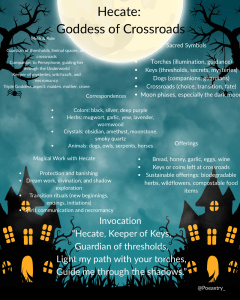

    Free Hecate book of spells insert made in Canva pro by Poeaxtry
    Download free digital/printable book of spells insert at Gumroad or Payhip below

    Gumroad Payhip links

    Witchcraft


    Want to explore more?

    Visit Poeaxtry and the Prism’s Archive Cheat Sheet. Discover all post categories, with a blurb and link to full post archive for each. Then find every post in that category in chronological order.


  • Litha Sabbat Guide: Fire & Bloom Altar, Rituals, and Self-Love Spell Bag Recharge

    Litha Sabbat Guide: Fire & Bloom Altar, Rituals, and Self-Love Spell Bag Recharge

    Litha: Fire and Bloom

    Your Ultimate Sabbat Resource 🌞🔥

    Welcome bright souls to Litha, the peak of summer and the fire festival honoring the sun at its strongest. Litha is also called Midsummer or the Summer Solstice. It marks the longest day of the year. This is when daylight reaches its height and begins to wane. Rooted in ancient pagan traditions, it celebrates the power of the sun, growth, fertility, and abundance.

    This guide will walk you through Litha’s origins and common celebrations. It covers altar setups, ceremonial ideas, and offerings. You will also find tips for recharging your self-love spell bag with the season’s vibrant energy.

    🔥 Origins and Meaning of Litha

    Litha traces back to many European pagan cultures including Celtic, Germanic, and Slavic peoples. It was a sacred turning point in the Wheel of the Year. It symbolized the sun god at his strongest and the earth abundant with life. Bonfires were lit to honor the sun and keep away dark spirits. People celebrated fertility, protection, and the balance between light and dark.

    Today, many witches and pagans honor Litha as a time of joy, illumination, and gratitude for nature’s gifts.

    🌿 Common Litha Celebrations and Traditions

    Bonfires and Fire Rituals:
    Lighting fire symbolizes the sun’s power and cleansing energy.

    Dancing and Singing:
    These communal celebrations often include music, dance, and storytelling around fires.

    Gathering Herbs and Flowers:
    Flowers like St. John’s Wort, yarrow, and daisies are collected for magic and medicine

    Altar Swaps:
    Refresh your altar with bright colors (yellow, gold, orange, red) and sun symbols such as sunflowers or sun wheels

    Feasting:
    Seasonal foods including fresh fruits, grains, and honey are shared

    Offerings: Leaving out bread, wine, honey, or flowers for spirits and ancestors to honor their guidance and presence

    🔥 Building Your Litha Altar

    Set up an altar that radiates the sun’s energy and the fullness of summer:

    Colors:
    Gold, yellow, orange, red

    Candles:
    Beeswax or yellow candles to represent sunlight

    Herbs:
    Calendula, lemongrass, lavender, St. John’s Wort

    Crystals:
    Citrine, amber, sunstone, tiger’s eye

    Symbols:
    Sunflowers, sun wheels, fire symbols, shells (for the water balance)

    Offerings:
    Fresh fruit, honey, nuts, flowers, herbal teas

    🌞 Honoring the Sun and Ancestors

    Use Litha to express gratitude to the sun’s life-giving energy and to honor ancestors who guide and protect:

    Light a candle or bonfire in their memory Leave offerings on your altar or outside in nature Write a letter to an ancestor or spirit and burn it safely to release intentions or messages

    💖 Recharging Your Self-Love Spell Bag for Litha

    The powerful sun energy at Litha makes this a perfect time to refresh your self-love spell bag:

    Place your spell bag in direct sunlight for at least an hour to charge it with vibrant energy Speak or meditate on your intentions for self-love, confidence, and inner strength Optionally, leave the bag under the full moon the next night for balance and calm Keep the spell bag with you throughout the day in your purse, car, desk, or pillowcase to carry the sun’s warmth and self-love energy with you

    Lilith’s Fierce Self Love at Litha 🔥🖤

    Alongside the blazing sun of Litha, we honor Lilith. She is the primal and powerful feminine force of independence. Lilith embodies courage and unapologetic self-love. Lilith reminds us that true self-love is not always soft, sometimes it’s fierce boundary setting and wild.

    At Litha as the sun reaches its peak strength call on Lilith’s energy to:

    • Reclaim your personal power and autonomy

    • Embrace your shadow self without shame or fear

    • Set bold boundaries in love and life

    • Celebrate your wild untamed spirit

    You can add a small symbol or image representing Lilith to your altar. This could be something like a crescent moon or a black rose. Additionally, include her in your self love intentions as you recharge your spell bag. This is a time to love yourself fully light and shadow alike.

    ✨ May your light shine bright this Litha and your heart bloom with love and power.

    Lilith cheat sheet red and black for digital and physical grimore
    Free to save or print cheat sheet.
    Free Download/ Print Gumrode Free Download/Print Payhip
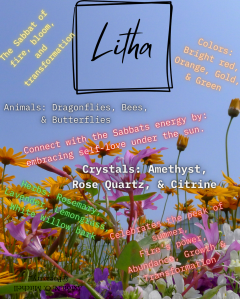
    Litha cheat sheet printable or downloadable for use in your grimore
    Free to save or print cheat sheet.

    Free Download/ Print Gumrode Free Download/Print Payhip


    Want to explore more?

    Visit Poeaxtry and the Prism’s Archive Cheat Sheet. Discover all post categories, with a blurb and link to full post archive for each. Then find every post in that category in chronological order.

    Please consider a donation via CashApp, PayPal, Ko-Fi, or Buy Me a Coffee. This helps to keep our projects and community thriving.


    Links

  • The 8 Pagan Sabbats: Dates, Themes, Deities, and Sacred Correspondences

    The 8 Pagan Sabbats: Dates, Themes, Deities, and Sacred Correspondences

    1. Yule – Winter Solstice (Dec 20–23)

    Theme: Rebirth of the Sun, inner reflection, hope Colors: Red, green, white, gold, silver Crystals: Garnet, clear quartz, bloodstone Herbs: Pine, cedar, cinnamon, frankincense, rosemary Symbols: Yule log, candles, evergreen wreaths, sun wheels Deities: Holly King & Oak King (dueling seasonal forces) Frau Holle, The Dagda, Isis, Sol Invictus, Mother Goddesses

    2. Imbolc – (Feb 1–2)

    Theme: Purification, inspiration, new beginnings Colors: White, light blue, pale yellow Crystals: Amethyst, moonstone, selenite Herbs: Chamomile, basil, bay, snowdrop, angelica Symbols: Candles, Brigid’s cross, seeds, snowdrops Deities: Brigid (Celtic goddess of fire, poetry, healing) Vesta, Hestia, Gaia

    3. Ostara – Spring Equinox (Mar 20–23)

    Theme: Balance, fertility, growth Colors: Pastels (pink, green, lavender, baby blue) Crystals: Rose quartz, aquamarine, moss agate Herbs: Dandelion, violet, lavender, clover Symbols: Eggs, hares, flowers, seeds Deities: Eostre (Anglo-Saxon spring goddess) Persephone, Freya, Flora

    4. Beltane – (Apr 30–May 1)

    Theme: Fire, fertility, passion, union Colors: Red, green, white, gold Crystals: Carnelian, garnet, emerald Herbs: Hawthorn, rose, thyme, mugwort Symbols: Maypole, bonfires, flowers, ribbons Deities: The Green Man, Cernunnos (horned god) Flora, Aphrodite, Pan, Maia

    5. Litha – Summer Solstice (June 20–23)

    Theme: Power, abundance, illumination Colors: Gold, yellow, orange, red Crystals: Citrine, sunstone, tiger’s eye Herbs: St. John’s Wort, basil, sage, chamomile Symbols: Sun, fire, oak, honey Deities: Ra, Apollo, Hathor, Lugh, Amaterasu

    6. Lughnasadh / Lammas – (Aug 1)

    Theme: First harvest, sacrifice, gratitude Colors: Orange, yellow, brown, gold Crystals: Amber, peridot, citrine Herbs: Wheat, corn, sunflower, rosemary Symbols: Bread, grain, cornucopia, scythe Deities: Lugh (Celtic craftsman and warrior god) Demeter, Tailtiu, Ceres

    7. Mabon – Autumn Equinox (Sept 20–23)

    Theme: Balance, second harvest, giving thanks Colors: Deep red, brown, gold, dark green Crystals: Jasper, smoky quartz, labradorite Herbs: Apples, sage, marigold, cinnamon Symbols: Apples, wine, grapes, pumpkins Deities: Mabon ap Modron, The Crone, Dionysus, Pomona

    8. Samhain – (Oct 31–Nov 1)

    Theme: Death, endings, honoring ancestors, the veil Colors: Black, orange, purple, silver Crystals: Obsidian, onyx, labradorite Herbs: Mugwort, wormwood, rosemary, sage Symbols: Skulls, bones, pumpkins, candles Deities: The Morrigan, Hecate, Anubis, Hel, Cailleach, Osiris


    If you want to explore the physical & digital side of Poeaxtry, the stores are always open. Physical items like handmade pieces, ritual tools, and select creations live only on Etsy. Digital books, zines, and downloads are available through Gumroad, Etsy, & Payhip. As well as some being available on Kindle & Amazon. The same fingers click the keys across all shops, just different formats for different hands, needs, and screens.


    Links Portfolio Wattpad