The Stop-On-a-Whim
I had the day off. A buddy and I were driving through the Cleveland area to pickup her kid… no big plan, just the open road. Then inspiration struck: swing by Brandywine Falls. Duh
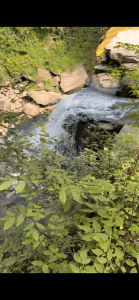
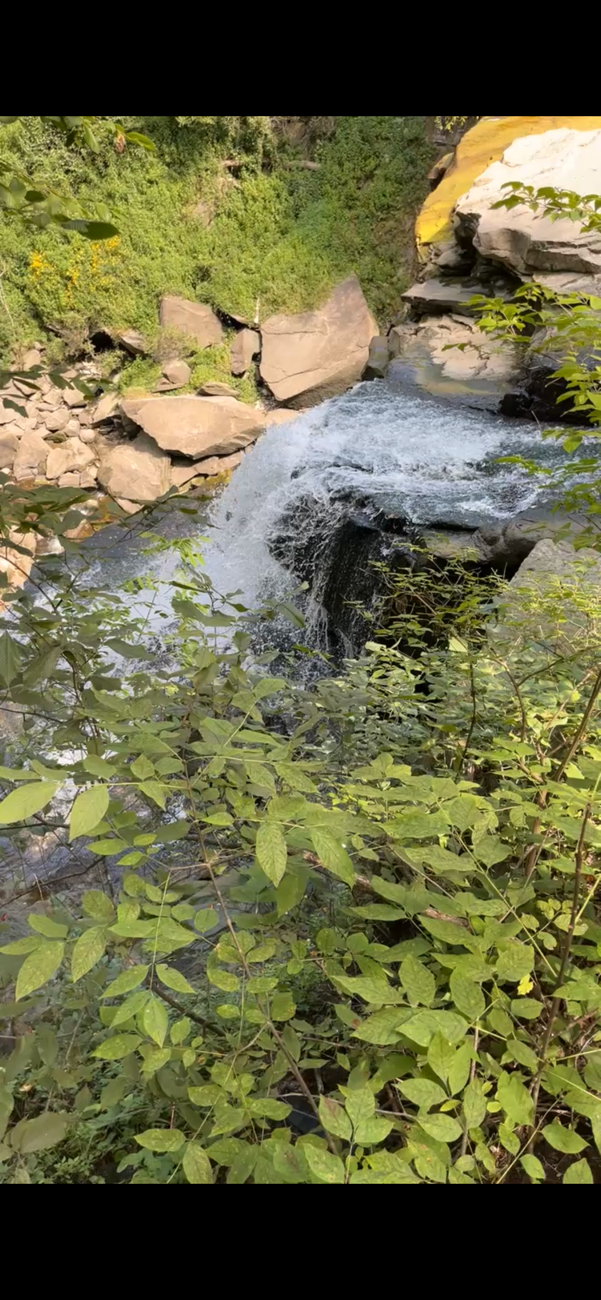
I’ve only seen it one other time — during a parched summer when the falls were more whisper than roar, barely a bit more than a modest trickle through the gorge. That day felt almost ghostly. But on Friday, December 19 2025… things looked very different.
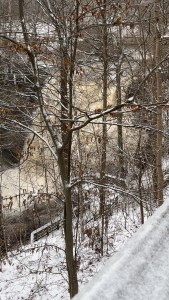
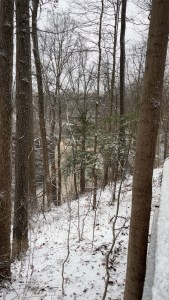
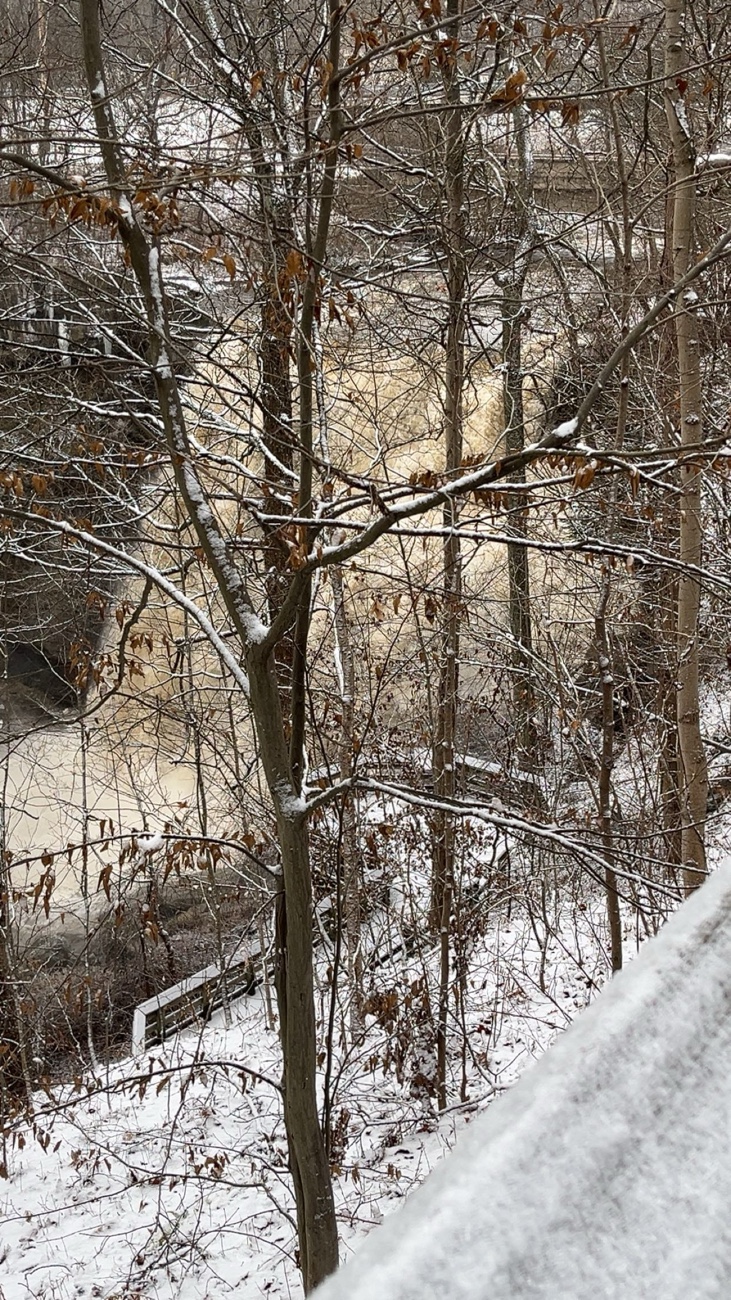
Because of recent snowfalls, the water was high and alive, rushing over the ledge with a force that made the air taste cold and feel charged. The falls were full, the gorge echoing with the crash of water, the kind of sight that silences you for just long enough.
Why Brandywine Falls Hits Different
Brandywine Falls drops about 60 feet, that makes it the tallest and most impressive accessible waterfall in the park. Geologically it’s classic: a hard cap of ancient Berea Sandstone formed roughly 320 million years ago. This overlies softer layers of Bedford Shale and Cleveland Shale, formed from 350 to 400 million years ago sediments. Water erodes the shale faster, undercutting the sandstone which eventually breaks off . Thus creating and reshaping the gorge over millennia. In dryer seasons the falls tend toward a graceful, slender, almost ghostlike. But when precipitation or snow-melt fills the creek as it had before our visit, the falls swell. The volume surges, the drop becomes a roar, and the gorge lives and breathes again. For early settlers the falls weren’t just pretty, they were power. Starting around 1814, a sawmill built at the top of the falls by pioneer George Wallace. Who used the rushing water to cut lumber. Over the next decade a small industrial settlement grew around it, with gristmills, wool mills and even a distillery. Today you reach the falls by a brief walk from a parking lot. Then by using a boardwalk and stairs lead you to upper and lower viewing decks. For a spontaneous, quick-hit nature fix it’s perfect.
What It Felt Like This Time
This trip felt like the falls remembered what it meant to be alive. That snow before our visit, frozen ground underfoot, everything conspired to give Brandywine a roar. The water hammered the ledge, threw spray outward, carved the air. The usual quiet winter slush was gone. Instead the gorge pulsed.
Walking the boardwalk felt sacred everything slick and cold, the wood mutes under crocs, water humming below, the gorge walls rising steep and ancient on either side. I looked down at the pool where water crashed, looking darker and deeper than in any dry-season visit.
For a brief second I remembered my first visit: quiet, soft, almost disappointed. This was its other face. Raw, untamed, majestic. A reminder that even small-town waterfalls can show you something wild if you catch them at the right moment.
Why It Matters; For Hikers, Writers, Dreamers
Brandywine Falls isn’t just a “quick stop” waterfall. It’s a dynamic landscape that changes with seasons, storms, snow. It whispers history through rock layers millions of years old, human history etched in 19th-century mill stones, and still today it offers a bridge between calm and chaos… depending on when you show up.
If you wander there mid-winter or after heavy snow or rainfalls, expect power. Expect water roaring. Expect solitude and wildness, even if you’re a two-hour detour.
If you go again, listen: to water, to rock, to history.