
Samhain, is one of the most powerful Sabbats on the Wheel of the Year.
Observed from the evening of October 31 through November 1, it marks the transition from the light half to the dark half of the year. Many witches regard it as the Witches’ New Year, a liminal time when the veil between the worlds is at its thinnest.
It is a season of endings, beginnings, remembrance, and transformation.
This resource explores the history of Samhain, its multiple cultural roots, the way people celebrated in the past, how witches celebrate it now, the symbolism and correspondences tied to this sacred night, and ways to practice sustainably.
History and Origins of Samhain:
Samhain comes from Gaelic and Celtic tradition and was celebrated in Ireland, Scotland, and the Isle of Man. It marked the end of the harvest season and the arrival of winter. for ancient people, this was not only the division of the year but also a sacred turning point. Archeological sites like the Mound of the Hostages at Tara show alignments with sunrise around Samhain, suggesting the importance of this moment stretches back even further than Celtic times.
In medieval Irish texts, Samhain appears as one of the great seasonal festivals. The name itself is tied to “summer’s end,” and in the Irish language, Samhain is also the word for November.
During this time, the burial mounds or fairy hills…were believed to open, becoming portals to the Otherworld. Spirits, fairies, and ancestors could move more freely, and it was customary to honor and appease them.
Bonfires were central to Samhain. Families would extinguish their home hearths and relight them from the great communal fire. People cast stones, bones, or tokens into the flames, sometimes as offerings or as part of divination.
The Ashes and fire were believed to carry cleansing and protective powers. In some accounts, livestock were culled and sacrificed to ensure survival through the winter.
Samhain was also a season of prophecy. Masking and guising also have deep roots here. Villagers disguised themselves to confuse or avoid malevolent spirits, and many went door to door reciting verses or performing small acts in exchange for food what we now know as trick-or-treating.
Symbolism and Correspondences
Samhain’s imagery is steeped in themes of death, rebirth, and liminality. The colors most often associated with this Sabbat are black, deep purples, fiery oranges, and blood reds.
Crystals like obsidian, smoky quartz, onyx, hematite, and amethyst resonate strongly with Samhain energy.
Herbs such as mugwort, sage, rosemary, cinnamon, and wormwood are commonly used in spells and rituals.
Symbols that dominate this season include skulls, bones, cauldrons, jack-o’-lanterns carved from pumpkins or turnips, and keys or crossroads imagery.
Animals tied to Samhain include ravens, crows, owls, bats, and black cats.
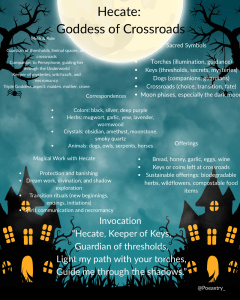
Spiritually, this time is connected to deities of the underworld and death, such as the Morrígan, Hecate, Donn, Hel, or the Cailleach, depending on tradition.
Fire and earth are powerful elements here, representing both purification and the return of life to the soil.
Traditional and Modern Practices
Rituals of Samhain historically centered on fire, offering, divination, and honoring the dead. Today, witches and pagans adapt these practices to personal and cultural needs.
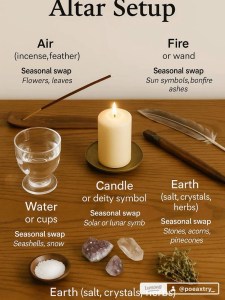
Altar and ancestor work are central. Many build altars decorated with autumn harvest foods, skull imagery, bones, and photographs of loved ones who have passed. Offerings of bread, fruit, or herbs are common, left either at the altar or outdoors. Some practitioners hold a “dumb supper,” a ritual meal eaten in silence where a place is set for the dead, inviting them to share in the gathering.
Fire remains an important symbol. Witches may light bonfires, hearth fires, or candles as a way to purify and honor the season. Writing down things you wish to release and casting them into flame is a powerful practice at Samhain.
Divination thrives during this liminal night. Tarot readings, runes, scrying mirrors, pendulums, and dream work are all seen as especially potent now. Journaling or meditating on what must be released and what new cycles need to begin helps align with the natural energy of death and rebirth.
Samhain can be a night of shadow work. Or a time to face inner truths and release old habits. Some may focus on protection and cleansing rituals, strengthening psychic shields, or setting wards for the long winter ahead.
Because of urban living, fire restrictions, and ecological awareness, many witches adapt ancient practices. Instead of bonfires, they light candles. Instead of leaving large offerings at cemeteries, they create home altars or symbolic offerings. Many now prioritize sustainable and ethical practices, ensuring offerings do not harm the land or wildlife.
Samhain’s rituals often involve burying, burning, or leaving offerings, so ecological mindfulness matters. Use biodegradable materials such as paper towel rolls, untreated wood, or natural herbs. Avoid synthetic glitters, plastics, or toxic inks. Reuse jars, cloth, and candles rather than buying new every year.
A Flow for Ritual
A Samhain ritual can be as simple or elaborate as you like. You may begin by cleansing and grounding yourself, then inviting ancestors and guides into sacred space. Lighting candles or a fire connects to the ancient communal flames. Offerings and prayers to the dead bring remembrance and connection. Divination, journaling, or meditation help you gather insight for the year ahead.
A practice of release: whether by burning, burying, or composting, is powerful at Samhain. Once you have let go of what must die, you can set new intentions, plant seeds, or carry charms to symbolize rebirth. Close the ritual with gratitude to spirits, ancestors, and deities, then return to the mundane world with renewed focus.
Samhain is a threshold in the year, when endings and beginnings weave together. It honors death as a part of life and opens a space for transformation. Whether you light a single candle, share a feast with friends, or hold a private vigil, Samhain reminds us that magic is not only in growth but also in release. By walking with our ancestors, respecting the cycles of the earth, and practicing sustainably, we carry forward the essence of the Witch’s New Year.
Want to explore more?
Visit Poeaxtry and the Prism’s Archive Cheat Sheet. Discover all post categories, with a blurb and link to full post archive for each. Then find every post in that category in chronological order.






 No fees, no hoops, just guidance! Get your solo manuscript ready, polished, and published with Poeaxtry’s Poetry Prism