Category: Journal Entry

  • Trans‑Masculine Pioneers Through History: Power, Purpose, and Legacy

    Trans‑Masculine Pioneers Through History: Power, Purpose, and Legacy


    Trans‑Masculine Pioneers Through History: Power, Purpose, and Legacy

    Trans and trans‑masculine people have long shaped the world in ways that go beyond survival. These figures have made significant contributions in medicine and public health. They have also excelled in military service, sports, arts, and community building. Their lives and achievements are worth celebrating. Their stories remind us that trans masculinity is not a modern invention, but woven deeply into global history.

    James Barry — Surgeon & Medical Innovator (British Empire)

    Dr. James Barry (c. 1795–1865) was a remarkable military surgeon in the British Army, born in Ireland. Barry performed one of the first known Caesarean sections. In this operation, both mother and child survived. It was a huge medical feat for the time. He was deeply committed to improving hygiene and sanitation in military hospitals. Barry pushed for better medical care for soldiers and local populations. Barry lived publicly as a man, signed as “Dr. James Barry,” and challenged early-19th-century gender norms while saving lives.

    Why he matters: Barry’s identity didn’t limit his contributions. Instead, he used his position to heal, reform, and innovate in colonial-era medicine.

    Alan L. Hart — Radiologist, Tuberculosis Pioneer & Writer (United States)

    Alan L. Hart (1890–1962) was a pioneering radiologist who helped revolutionize early detection of tuberculosis. He introduced the use of X-ray imaging for TB, greatly improving public health efforts. Beyond medicine, Hart was also a writer, weaving themes of identity, science, and healing into his fiction. He lived as a man for decades, and his lifelong work saved lives and pushed medical boundaries.

    Why he matters: Hart’s transmasculine identity is inseparable from his legacy. He was both a healer and a storyteller. His commitment to public health left a measurable impact.

    Karl M. Baer — Writer, Reformer & Gender Pioneer (Germany / Israel)

    Karl M. Baer (1885–1956) authored Memoirs of a Man’s Maiden Years, reflecting on his childhood, identity, and transition. In the early 1900s, Karl underwent what is widely recognized as one of the first gender-affirming surgeries. He gained legal recognition as male. Baer also worked with Magnus Hirschfeld, influencing early sexology and social reform. His life bridged personal narrative with political and social change—he was a social worker, suffragist, and advocate for marginalized people.

    Why he matters: Baer’s work helped lay the foundations for gender-affirming care and gender rights. His story is both deeply personal and socially transformative.

    Michael Dillon — Physician, Ethicist & Medical Trailblazer (United Kingdom)

    Michael Dillon (1915–1962) was a British physician. He became one of the first trans men to medically transition using testosterone. He wrote Self: A Study in Endocrinology and Ethics, exploring gender identity, medical decision-making, and ethics. Dillon’s work helped shape early frameworks for trans healthcare and medical ethics.

    Why he matters: He merged professional rigor with personal courage. His life and writings helped build compassionate, evidence-based approaches to gender-affirming care.

    Amelio Robles Ávila — Soldier & Revolutionary (Mexico)

    Amelio Robles Ávila (1889–1984) was a Colonel in the Mexican Revolution. He lived openly as a man from his mid-20s, and his military leadership was recognized by the Mexican government. Robles earned a Revolutionary Merit Award and is celebrated in Mexico for bravery and service while living authentically.

    Why he matters: Robles demonstrated the intersection of trans identity and revolutionary activism. He fought for justice and recognition. He left a lasting legacy in Mexican history.

    Lou Sullivan — Activist, Community Builder & Writer (United States)

    Lou Sullivan (1951–1991) was openly gay and trans at a time when that was revolutionary. He created resources for FTM people. He built peer support networks. Lou clarified that gender identity and sexual orientation are distinct but overlapping. His diaries and posthumously published writings reflect hope, insight, and advocacy.

    Why he matters: Sullivan built community structures. He fought for medical recognition. He articulated trans masculinity in ways that continue to guide activism today.

    Reed Erickson — Philanthropist & Trans Movement Fundraiser (United States)

    Reed Erickson (1917–1992) founded the Erickson Educational Foundation (EEF), which funded early transgender medical research, community outreach, and publications. His work expanded medical care and education opportunities for trans people in the 1960s–80s.

    Why he matters: Erickson’s philanthropy helped create infrastructure for trans communities and ensured early access to gender-affirming care.

    Albert D. J. Cashier — Soldier & Union Veteran (United States)

    Albert Cashier (1843–1915), born Jennie Irene Hodgers, served in the 95th Illinois Infantry during the U.S. Civil War. Cashier fought bravely, lived as a man for decades, and was respected by his community. He exemplified heroism, integrity, and authenticity.

    Why he matters: Cashier’s dedication to country and self demonstrates courage in both service and identity.

    Zdeněk Koubek — Athlete & Gender Trailblazer (Czechoslovakia)

    Zdeněk Koubek (1913–1986), born Zdena Koubková, was a world-class runner in the 1930s, setting records and winning medals. In 1935, he publicly announced he would live as a man and continued to pursue life openly in Prague. His story expanded conversations around gender in sports.

    Why he matters: Koubek’s athletic excellence and public transition challenged norms and left a legacy of courage and change.

    Why These Histories Matter

    Trans identity is not new: These men and transmasculine figures span centuries and continents. Their impact was positive and varied: Medicine, activism, war, arts, sports—their lives left tangible contributions. Visibility strengthens communities: Recognizing these stories empowers transmasculine people today. Global and intersectional representation: Figures from Mexico, Czechoslovakia, the U.S., and Australia illustrate the diversity of trans histories.

  • TDoR- A LGBTQ+ History Lesson

    TDoR- A LGBTQ+ History Lesson

    The First Transgender Day of Remembrance

    On November 20, 1999, the first Transgender Day of Remembrance (TDoR) took place. This was organized by activist Gwendolyn Ann Smith to honor the life of Rita Hester. A trans woman of color murdered the year before.

    Gwendolyn’s web project, Remembering Our Dead, launched to aggregate names of trans people lost to violence. Thus making our stories visible. Candlelit vigils in Boston and San Francisco marked a solemn promise: trans lives will not be erased.

    Since then, TDoR has grown into a global observance, with hundreds of cities participating annually.

    Rita Hester: Her Life, Her Death, Her Legacy

    Rita Hester was born November 30, 1963. She lived in Boston, where she was a vibrant presence in the queer and trans community.

    On November 28, 1998, she was stabbed to death in her apartment, reportedly twenty times. The media misgendered and dead named her. Only demonstrating the disrespect and erasure trans people face even in death.

    Her death sparked outrage and action. Leading to the first TDoR and the enduring memorial project that ensures trans lives are remembered. A mural in Boston now honors her, cementing her presence for generations to come.

    Notable Trans People Remembered: Impact & Legacy

    Sir Ewan Forbes (1912-1991)

    A Scottish doctor and trans man, Ewan Forbes, faced a legal challenge from his cousin. All over the inheritance of a baronetcy. Forbes, being AFAB, was forced to claim an intersex condition in a secret court hearing to win the case. Ewan lived publicly as himself, married the woman he loved, and carried his title. Though, the secrecy delayed broader legal recognition for trans people in the UK. His story is a reminder that trans men have always existed, just usually quietly. While erasure is even evident in victory.

    Albert Cashier (1843-1915)

    Albert Cashier, an Irish-born trans man, served in the Union Army during the American Civil War. He lived his adult life as a man until a car accident in 1910 revealed his assigned sex at birth. Later, in a state institution, attendants forced him into a dress against his will. Comrades remembered him as loyal and steadfast, and he was buried in his full military uniform in 1915. Albert’s story illustrates resilience, service, and the courage of living authentically despite societal erasure.

    Dr. Alan Hart (1890–1962)

    Alan Hart, a trans man and American physician and radiologist. He was also one of the first trans men in the United States to undergo hysterectomy and gonadectomy in 1917. Though, his career and life were lived under the constant threat of being outed. Which, sadly, would have ended his medical work. Hart’s persistence highlights both the courage and the invisibility imposed on trans men in history.

    Billy Tipton (1914–1989)

    A celebrated jazz musician, Billy Tipton lived and worked as a man to pursue a career in music. Jazz venues wouldn’t book women musicians, so Billy became. He lived the life he wanted, just as many queer people of the time did. And Billy thrived, he led bands and toured relentlessly. Eventually he built a reputation as a talented, reliable musician. Billy booked steady gigs in Oklahoma and Washington, raised three boys, and maintained a family life. Billy’s life was loving and ordinary in all ways that mattered. Though, after his death in 1989, paramedics discovered he had been assigned female at birth. Turning what should have been private, into a media frenzy. Billy was ripped open by tablets hungry for spectacle. Instead of honoring a respected musician, the media turned him into a headline. Misgendering him, mocking him, and sensationalizing his life without the faintest understanding of the violence that exposure like this causes. This was one of the first major examples of the modern press publicly outing a trans man without consent. Eventually, it shaped the way media ethics would be debated. Yet, none of that noise changes the truth. Billy lived his life as himself, loved his kids, made his music, and never owed the world a fucking thing. Billy Tipton’s story is a stark example of how transgender men have been misrepresented, even after death.

    Gwendolyn Ann Smith

    The founder of TDoR and author. Her activism preserves memory and builds community. Gwendolyn dreams to exist in a world where we no longer need the memorial she created. Her work ensures that trans lives lost to violence are not forgotten, creating a foundation for grief, resistance, and advocacy.

    Monique Thomas & Chanelle Pickett

    Both women are trans women of color whose deaths preceded Rita Hester’s. Monique Thomas (1998) and Chanelle Pickett (1995) are integral to TDoR’s early history. Their lives and deaths emphasize that violence against trans women, especially Black trans women, is part of a systemic pattern.

    Marsha P. Johnson (1945–1992)

    A self-proclaimed transvestite, She/her, drage queen activist, and community elder, Marsha P. Johnson co-founded STAR (Street Transvestite Action Revolutionaries) with Sylvia Rivera. She fought for queer and trans youth, living openly and boldly. Remembering her highlights the activism, joy, and resistance within trans communities, and not only loss.

    Recent Transgender people lost to soon

    Mar’Quis “MJ” Jackson

    A 33-year-old Black trans man and Philadelphia activist. MJ worked with the William Way Center, Transgender Legal Defense Fund, and The Free KY Project. He was found deceased on December 14, 2022, from multiple blunt force injuries. His life was full of love and activism. Being described as someone who “would get the party started anywhere” and “loved everybody.” In January 2025, Charles Mitchell was convicted for involuntary manslaughter and other charges related to MJ’s death. His story paints a picture of violence against trans people. While we also seldom get actual justice.

    Nex Benedict (2008-2024)

    A 16-year-old nonbinary student from Owasso, Oklahoma, Nex endured severe bullying and a physical assault at school. Despite the school nurse recommending a medical examination, Nex finished the day at school. To arrive home bloodied after being left to endure the rest of the day without proper care. They later died from an overdose, a death considered a result of systemic failures in schools and anti-trans environments. Nex’s story reflects both the vulnerability of trans youth and the urgent need for systemic protections.

    Sam Nordquist

    Sam was a 24-year-old trans man of color from Minnesota. He endured weeks of physical and sexual abuse, starvation, and psychological torture before his death in early 2025. Seven scumbag monsters were charged with second-degree murder. Two of which had recently been released after sexual charges. These excuses for humans also had two minor children actively engaged in abusing Sam. This angel of a human was also a healthcare worker. He loved his community, he wanted simply to be loved. I will always have a dedicated memorial page dedicated to him on my website. His memorial page tells the story of what he loved, shares art, and honors him. His life, work, and heart should not be reduced to his death. Sam reflects the vibrancy, generosity, and bravery of trans men today.

    Why This Matters: Memory, Violence, Resistance

    TDoR is resistance, not just memorial. Reading names refuses invisibility. Lighting candles is defiance. Violence against trans people is not new, and systemic and cultural erasure persists.

    Legal protections in the U.S. stay a patchwork at best. As of 2024, only about 21–23 states plus D.C. explicitly protect gender identity across employment, housing, and public accommodations. In the remaining states, trans people can face legal discrimination. This includes things like “gay/trans panic” defense. This legal defense still exists in roughly 30 states, excusing violence based on bias.

    Now we approach weaponized visibility. Trans women are often hyper-visible, opening them up to new dangers. While trans men are erased, their existence ignored in public discourse, sports, and legislation. Both experiences mirror systemic abuse that fuels discrimination and violence.

    Honoring the Living While Remembering the Dead

    TDoR is both grief and affirmation. It memorializes those lost like Rita Hester, Monique Thomas, Marsha P. Johnson, Brandon Teena, Sam Nordquist, Nex Benedict, MJ Jackson and so many more. While still reminding us to support living trans people. History stretches from the Union Army to contemporary schools and workplaces, showing how erasure and resistance are deeply intertwined.

    Every name read on TDoR is a spark, every candle lit a defiance. We remember, we resist, and we build toward a world where no trans life is taken by hate.

    Trans history reaches further than most realize. Before the Nazis destroyed Berlin’s Institut für Sexualwissenschaft, trans people in Germany had access to pioneering medical care and advocacy resources. They of course were violently erased in the 1930s. Remembering these early efforts reminds us that trans existence and resilience predate contemporary struggles.

    This post highlights trans men more heavily than I typically would on a TDoR post. However I a trans man, only recently learned the historical trans men’s names let alone their histories. Figures like Billy Tipton, Albert Cashier, Sir Ewan Forbes, and Dr. Alan Hart lived powerful, often invisible lives, and their stories deserve visibility alongside the trans women who are too often hyper-visible and unsafe. For many trans men, history has quietly erased them and that invisibility is part of why this remembrance matters today.

    Poem about Sam

    Poem about trans people gone to soon

    Links portfolio ko-fi

  • Northern Lights Central Ohio: Grief and Gratitude

    Northern Lights Central Ohio: Grief and Gratitude

    Central Ohio Aurora Borealis: A Night of Surprise

    I woke up at 7 p.m. because my phone vibrated on the side of my face! Kelsey had been in a hit-and-run while door dashing. Thankfully I can get up and go because I left immediately to make sure they were okay. The car was drivable, and Kelsey was unharmed, but the shock of the situation was definitely hard on both of us. Later, we had friends over and they brought dinner! They also super helped us with the TV Bull crap. I think the good company made the evening a little easier managed.

    Not 3 minutes after she left, Kylie called (three doors down.) “You have to come outside! NORTHERN LIGHTS!” Both of them are bordering on giddy. I personally was skeptical and assumed it was going to be like the last few times we could see them… which was only in photos. But when they showed us on FaceTime we got up and got outside instantly. We actually had to walk down to their place to see them being that they were literally on top of our house.

    There were pink and green lights sweeping across the sky in Central Ohio?!!

    I now not one of us had ever seen the northern lights like that. They were bright, moving, and mesmerizing. The lights didn’t erase the weight of the day. The stress of a hit-and-run, the TV, and the ongoing grief of losing my mom on four years ago. However, they did offer a sudden, unexpected lift.

    Amid all the ordinary chaos and grief, the northern lights were a rare reminder that small bursts of beauty can matter deeply.

    Aurora Borealis Facts & Emotional Reflections

    Auroras, or the northern lights, occur when charged particles from the sun collide with gases in Earth’s atmosphere. Oxygen then produces green or red light, while nitrogen produces blue or purple. These collisions tend to occur near the poles because Earth’s magnetic field funnels the particles there. That being said seeing the aurora over Central Ohio is rare. Though solar storms and high solar activity can make it possible.

    Historical events like the Carrington Event of 1859 show us the power of geomagnetic storms. In extreme cases they produce auroras visible at unusually low latitudes. Telegraph systems across the globe failed during this event, and auroras were visible as far south as the Caribbean. This shows both the beauty and power of the sun interacting with our planet. The northern lights above our house were not of that degree though.

    The tie in is knowing to a lot of people grief and depression feel intertwined or undistinguishable from the other. But grief is episodic, typically tied to loss, and often unpredictable. This bad boy surfaces in waves that can crash with no warning.

    Depression on the other hand can be more persistent, a shadow that affects every part of life, dulling your favorite color and adding weight like nothing else. When I lost my mom in 2021 I was left with a steady ache that resurfaces, to go along with my depression, to go along with my seasonal affective disorder.

    Obviously this is especially worse for some people around death anniversaries, holidays and birthdays. But last night, the aurora brought a lightness, not a fix, but tiny pause in the heaviness. A small moment, bursts of joy, is bigger than you think. These things matter. Things like a friend’s call, a shared meal, or a flickering sky. The moments that anchor us to the ground when life piles on all its shit are usually the most profoundly simple .

    The day had been full of catastrophes. Kelsey’s accident, the TV, the ordinary weight of a difficult year. Tiny moments you’d often let pass unnoticed can fix your day. We let the northern lights force our attention, to them. This gave us pause, notice, and a quiet awe to share. It’s the contrast between chaos and beauty that makes such moments stand out.

    Looking up at the lights, the weight of the day shifted slightly. It isn’t erased. The TV, the wreck, the grief, the ordinary trials are still present. Just now with a reminder of wonder, of unpredictability, and of something bigger than routine and worry. It’s often the little things, like noticing a rare northern lights display, that make a day worth remembering.

    Life continues with its challenges. Grief continues to arrive, as does anxiety, tech failures, accidents, and the everyday weight of living.

    The Northern lights showing off insane red hues over central ohio
    The northern lights in central Ohio

    Links

  • Zombie Dreams, Birthday Ghosts, and Losing the Only Constant

    Zombie Dreams, Birthday Ghosts, and Losing the Only Constant

    Sleepless Nights and Haunted Dreams

    I haven’t been sleeping very well since mid‑October. Not from tossing and turning, but because my nights have gotten populated by fragments of her dead, walking through scenes that don’t make sense. I know she was cremated. My brain knows that. My dreams don’t care. They hand me versions of her that are wrong in small, cruel ways, and I wake up hollow, disoriented, and exhausted.

    Usually I don’t remember my dreams. That had always felt like mercy. Now the dreams are sharp,enough to cut me out of the fabric of my sleep. A physical reaction to what I know can’t be real. I would trade anything to stop carrying them into daylight . They are grotesque and tender in the same breath. Sometimes a dream turns ridiculous.

    Kelso as some “boob‑head” character, storming heaven like an absurd hero to bring her back. You know the boobs stayed as a stubborn, surreal trophy. I laughed when I woke from that one at noon when I should have been sleeping for work. This is ugly, honest, and necessary. Humor slides under grief like sunlight through cracked glass. And it doesn’t fix anything, but it convinces you for a second that you’ll survive the next hour.

    Facing the Anniversary and Birthday Blues

    Saturday, November 8th is the fourth anniversary of her death. My birthday is November 16th. Those two dates sit like magnets on the calendar and pull at everything around them. People say time heals, but time just rearranges the edges. The hole stays, and never really goes away. The fall light grows brittle and memory gets louder. The anniversary reopens the wound; the birthday asks me to pretend there’s room for celebration when there’s barely room to breathe.

    Some years I was prepare with self care and such things. As if lighting a candle, walking a trail she loved, and writing a letter I never intended to send was better. Others, I keep the day hollow and move through it like a ghost that has learned to mimic presence. This year the dreams have made it worse: they throb up from sleep into waking, so the days (I work nights) feel longer and the nights feel thin.

    The Only Constant in Nearly Thirty Years

    My mom was my base code. For almost thirty years she was my first and fiercest believer. You know the person who read my early poems, who clasped my hands and told me to keep going when I wanted to hide. She was not only a supporter; she was the architecture of my risk. She taught me to put words out into the world, and to take the small, stupid leap that turned into Poeaxtry_. Without her, I’m not convinced I would have trusted that anyone needed the corners of my voice.

    Losing her didn’t just remove a person; it removed orientation. There are empty chair conversations, and moments when I start to share a small victory and realize there’s no one there to make that face I used to chase: the proud, slightly embarrassed, always‑loving face. I carry her in the choices I make now. She’s in every collab I push for, the minority voices I refuse to let slip, and the low‑cost entry points I design. She believed access mattered. Those are her fingerprints on everything I build.

    Dreams as Mirrors of Grief

    Dreams become a theater where loss rewrites itself nightly. Sometimes she appears whole and familiar; sometimes she’s an impossible version that breaks my chest open. When my subconscious stages the Kelso quest, ridiculous, cartoonish, oddly tender. I saw how the mind tries to make sense of an impossible absence. There’s grieving and then there’s surviving. Your brain will invent a plot if it thinks it can get you through the night.

    Those surreal bits matter. They remind me that grief is not a problem to be solved. And is a presence to be navigated. The dream logic is vulgar and honest: it says, if I can’t have her back, then let me at least laugh at my ridiculous attempt to smuggle her home. That laughter is not betrayal. It’s armor.

    Laughing, Crying, and Writing Through Loss

    Writing has been the only honest map I possess. Pouring the ache into lines gives my grief shape; sharing the lines gives it witness. Public writing didn’t start as strategy. She passed away and I hadn’t done it yet. So it started because she pushed me toward it even in death. She would read my messy poems and she always insisted they mattered. She was the one who taught me to put emotions in my words. So I write because she taught me; I publish because she believed it was worth the risk.

    There’s a thin, fierce purpose that comes from turning grief into craft. That is this: every poem, every collab, every free spotlight I give a marginalized voice is a way to keep her impulse alive. She taught me to make room at the table. I try to make that room as wide and stubborn as she would have wanted.

    The Weight of Absence and the Persistence of Love

    The absence is heavy, but it is proof. Proof that something true was there. The ache is the mirror of what I had: it indicates depth, not failure. I miss the private conversations, the small practical kindnesses, the ways she was present without trying to be noticed. Missing someone who was your constant is also learning to carry them differently. You see she is in policy decisions for the collabs, in the language I use when I offer critique, in the empathy that underpins how I run things publicly.

    Grief shapes you into a different steward of your work. I find myself patient with voices that are less polished, insisting on publication for those a gate would have stopped. That stubborn inclusionism is a living tribute.

    Carrying Her Presence Into Creation

    This November has been the sharpest yet. The anniversary and the birthday will land, and I’ll meet them the only way I know how: by making something that outlives the day. I write because she told me to. I run Poeaxtry_ because she imagined I would. I build community because she taught me generosity wasn’t optional.

    I can’t call her. I wish I could. I can’t ask what she thinks about the newest collab. I can’t show her the little victories and expect that laugh that makes everything feel both ridiculous and necessary. But I can work. I can create spaces for the marginalized voices she would have defended. I can keep her first faith in me alive with every small, defiant publication.

    For now, that has to be enough… because it is after all, all that I have.

    Ko-fi Payhip Gumroad

  • Four Years Without Her: Grief, Growth, and Letting Go

    Four Years Without Her: Grief, Growth, and Letting Go

    Four years

    November 8th marks four years since I lost my mom. Four years since everything I knew broke open and the world is still shifting in ways I still can’t fully name. Grief isn’t a straight road, it’s a labyrinth. It’s a mess and a maze all at the same time. Some days I walk through it calmly, breathing deep, grateful to have survived another turn. Hiking through places I knew my mother would love breathing in crisp air and I know then I can feel her there. Other days, I slam into walls made of memories, and I ache like it just happened yesterday.

    People say time heals, but it doesn’t, not even slightly. Time teaches, especially how to fake it. It also teaches how to carry the weight differently. Some mornings I can laugh, work, create, and feel almost whole. Other mornings I stare at the ceiling and think about the space she left, a space that no one else could ever fill.

    I’ve kept working through all of it. I’ve kept building my life piece by piece, even when it felt like holding everything together with shaking hands. I built this business for her, for the strength she gave me, for the words she never got to read. I’ve published my own work many times now, and I’ve even been published by others. Every success feels like a conversation I wish I could have with her. “Mom, look. I did it.”

    There are so many things she’s missed.

    The late-night laughs. The healing. The slow, quiet days when I finally felt peace again. She hasn’t seen my sisters growing up into young women… strong, funny, and fierce in ways that remind me of her. She hasn’t seen me learn to be happy again, to find joy without guilt. She hasn’t seen the forgiveness that never came from others, but still bloomed in me.

    And then there’s my dad. That’s a different kind of grief, the kind you choose. I finally cut him off, and though it hurt, it was necessary. You can’t heal in the same place you were broken. That decision came from love. A love for myself, and for the memory of the woman who taught me what love should feel like.

    There’s a hole where she was, and nothing fills it. I’ve stopped trying to. I’ve learned to build around it instead. And while I try to let light pour through it sometimes. It is hard to honor it on the dark days. Grief isn’t something you get over. It’s something you grow around.

    Four years without her feels impossible, and yet I’m still here. Still writing. Still working. Still remembering.

    Because she never left entirely. She just changed forms. She’s in every poem, every stone I pick up, and every person I help heal through my work.

    Grief changes shape, but it never disappears. It becomes part of your story. And if you let it, it can become the fire that keeps you creating, surviving, and loving through the loss.

    Here’s to four years of missing her, and four years of finding myself again in the space she left behind.

    Poeaxtry Links kofi portfolio

  • A Lesson in Indie Promotion: When Paying Doesn’t Guarantee Priority

    A Lesson in Indie Promotion: When Paying Doesn’t Guarantee Priority

    Where it started:

    As indie authors, we’re constantly looking for ways to get our work seen, and sometimes we pay for services that promise exposure, listings, or spotlights. I recently had an experience that reminded me how important it is to know exactly what you’re paying for and, how things can still go sideways, even when you follow the rules.

    Here’s the full story:

    I paid for a premium promotion service that promised to list and feature my books. On the first day, I submitted all of my materials: titles, synopses, blurbs… exactly as instructed.

    Initially, the platform’s owner told me to submit via messages, but it turned out the correct process was to submit on their website.

    Honestly, if I’d been given the correct instructions from the start, I would have submitted everything on the website that first day, and this entire situation could have been avoided. Instead, I was given wrong directions & I ended up waiting, checking the site multiple times, and ultimately being the one who suffered

    I didn’t know this at the time. Over the next month, I waited and followed up checked the sight multiple times to see if anything had gotten posted as promised.

    I simply wanted to make sure I wasn’t being left behind while they focused on attracting new paid subscribers. Despite all my patience, silent checks, one actual check in, only one author spotlight, and one book listing went up.

    Frustrated, I reached out after more than a month since having paid. Instead of resolving the issue, the platform issued a refund. I wasn’t trying to cause trouble! I even offered to pay again because my goal wasn’t the refund; it was simply getting the posts I had paid for. Though I was informed that I should have put them on the website not in the chat as i was instructed to just prior.

    Throughout, I apologized if my messages came off as rude and clarified that my only concern was making sure my work wasn’t overlooked or forgotten (I get it) in their push for new paying clients. Because let’s face it it’s easy to forget one thing when focusing elsewhere. I wasn’t even mad I just wanted to make sure all was well.

    The takeaway for indie authors:

    Check the process thoroughly before paying. Make sure you understand exactly how subscribe and listings work. Document everything. Keep a record of submissions, communications, and timelines. Follow up professionally, but be aware of limitations. A refund may resolve payment and I am glad I got at least that , but it doesn’t replace lost exposure or wasted time waiting.

    Advocate for your work. Paid services are tools, and not guarantees. Your work’s visibility still depends on how well you communicate and follow up.

    Paying for exposure is only effective if the platform has a system that honors it. This experience was frustrating, but it taught me to be proactive, organized, and realistic about what paid services can and, can’t do for indie creators.

    It is still rather upsetting I was just attempting to touch base after over a month of radio silence and I get snubbed.

  • Respect Isn’t Optional: Transphobia, Cowardice, and the Workplace Reality

    Respect Isn’t Optional: Transphobia, Cowardice, and the Workplace Reality

    This isn’t a poem.

    It’s a truth that’s been festering too long.

    Just so you know it’s not hard to let transgender people exist. It’s not hard to let any minority exist. Especially at work, where the only thing anyone should care about is whether or not we’re doing our damn jobs.

    I’ve never once forced anyone to call me by my name or my pronouns. But Axton is my legal name. So if you wanna call me by my birth name, figure it out, babygirl. You’d still be too scared to say it to me. And I bet $100 bucks you couldn’t even pronounce it.

    I’ve never cornered someone, never demanded, never begged for respect. I don’t give a rat’s ass, honestly, but we’ll get to that. If you choose not to use my name or pronouns, that’s on you.

    But here’s the thing if you can’t show me common human decency, I don’t owe you any either. And when you’re a coward about it, I don’t get the same chance to return the disrespect, or the chance to be the bigger person and not act like an 8th grader who is in my at least third decade of life.

    It’s not even about the pronouns. It’s about the fake. The ones too scared to stand up and say it with their chest, who suddenly find courage the second they think it’s safe to be a little bigot bitch.

    They laugh with you, the “we’re cool” smiles melting into whispers as soon as you walk away. The stale energy when you walk in. The way they act like you can’t hear them. As if they aren’t obvious. Yet somehow, they never have the guts to be real about their transphobia when they’ve had every chance.

    I’m really not stupid.

    My ears don’t shut off when I leave the room. But your mouth sure seems to work better when I’m not around.

    You think I don’t know? Please. I was born at night, but it wasn’t last night.

    If you don’t respect me, fine. Be real about it. I’d have way more respect for the person who misgenders me to my face than the one who waits until my back is turned. Because that kind of cowardice? That’s lower than bigotry. That’s weakness.

    I’ve worked at a lot of nursing homes… some as agency, others as staff… and I’ve seen transphobia in every single one. It slides under the radar almost every time, even when you bring it to the right people. One place even had a specific anti-bigotry clause in their handbook.

    Yet when two aides started telling everyone I was a delusional woman who says she is a man yet “has a pussy,” HR never got back to me. I called weeks later and was told that “the problem” said everything was fine now. Sure it was. So I quit. I don’t have to deal with sexual harassment. Since when do we ask the problem if there’s still a problem?

    Someone always says, “Hey Axton, I heard this said about you…”

    Funny how nobody ever knows who said it though. Just a pile of whispers, recycled jokes, and other people discussing that I’m trans, calling me a tranny, or exclaiming “I did not know Axton was a woman!” As if they’re not just announcing my anatomy to the world.

    Let’s get one thing straight: you refusing to call me Axton or a man doesn’t change my LEGAL name or LEGAL gender. Just like saying trans people don’t exist doesn’t erase our existence.

    It doesn’t shave the beard off my face which, by the way, probably looks better than your man’s, your dad’s, and yours combined. Yes I see the hair on your face, bold of you to be transphobic with all that. (Body and facial hair on woman is awesome unless she is a bigot!)

    You don’t have that kind of power. You never did. Whose delusional?

    When you bring that childish energy into a workspace, that’s where I draw the line. We don’t have to be friends. We don’t even have to like each other. We are here to do nothing but our job. But it’s not hard to be a respectful person.

    And for the record, I’m no narc. I wouldn’t turn you in or start a fight if you said it to my face. I might buy you a drink and congratulate you for being the first one honest enough to do it.

    At least then, you’d be standing on your own bullshit instead of hiding behind a nervous laugh and a whisper.

    And that’s the real difference.

    I can handle a bigot.

    But a coward? That’s worse.

    Because at the end of the day, this isn’t about being liked.

    It’s about existing in peace while earning a paycheck.

    It’s about basic decency… something you’d think would be easy by now.

    So if you can’t respect me, fine.

    But don’t mistake your cowardice for morality.

    Because I’m still here.

    And your whisper will never be louder than that.

    I’ll be here waiting for you to say it to my face.

    Portfolio. Links. Coffee. Poem

  • Four-Year First Date Anniversary, Autumn Adventures, & cute creations

    Four-Year First Date Anniversary, Autumn Adventures, & cute creations

    A Heartfelt Tradition: Crafting the Spooky Anniversary Basket

    Each year, I commemorate our first date by creating a unique, spooky-themed flower arrangement for Kelsey. This tradition began four years ago and has since become a cherished ritual. For this anniversary, I curated a book basket of items that blend our shared love for Halloween.

    Nightmare Before Christmas Pajama Set: A cozy nod to one of their favorite films A Matching Socks and Slippers: To keep their feet warm during the chilly autumn nights. Sensory Squishies: Including squishy eyeballs, cats, and pumpkins, adding a playful touch to the flowers and boo basket. Handcrafted Basket for flowers: Painted with red spray dye to mimic dripping blood, adorned with roses, sunflowers, and strategically placed squishies, all draped in faux spiderwebs.

    This basket isn’t just a gift; it’s a manifestation of my love, a tangible expression of our journey together.

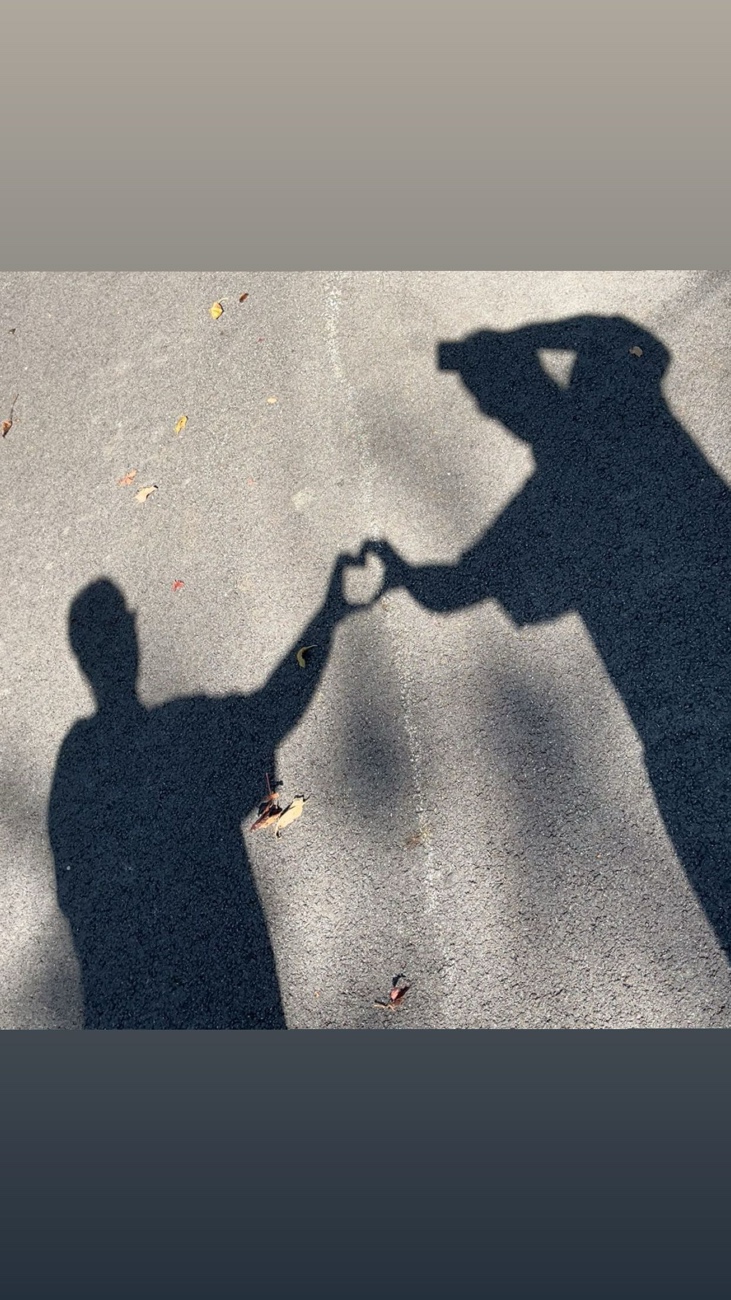
    Axton and kelso making shadow trail hearts on a walk they shared for their 4 year anniversary
    Shadow trail hearts

    A Scenic Hike: Exploring the Ohio Canal Greenway

    After kelso went through the basket, we embarked on a hike along the Ohio Canal Greenway in Hebron. This 3.0-mile trail, starting at Canal Park and extending to State Route 79, offers a serene walk through shaded paths bordered by farm fields and remnants of the historic Ohio and Erie Canal  .

    Our walk led us to a picturesque covered bridge, a highlight of the trail, where we paused to reflect and enjoy the tranquility of the surroundings. The hike was not just a physical journey but a metaphor for our relationship: steady, enduring, and beautiful.

    Autumn Traditions: Dupler’s Pumpkin Land

    No anniversary celebration is complete without a visit to Dupler’s Pumpkin Land in Newark. This local gem, located at 5766 Jacksontown Road, has been a part of our fall traditions for the past four years  .

    At Dupler’s, we handpicked a variety of pumpkins and gourds, including one unique pink and blue one, and gathered squash to decorate our home. The farm also boasts attractions like a corn maze, wagon rides, and a haunted room, making it a fun-filled experience for all ages  .

    They also have emus! You can hand feed them! Each year Kelso and I giggle and squeal as we try to hand feed the dinosaurs with feathers and get scared. But this year I fed both! They both bit me! And it doesn’t even hurt! Plus I got it all on video!

    Crafting Memories: Handmade Jewelry and Reflective Moments

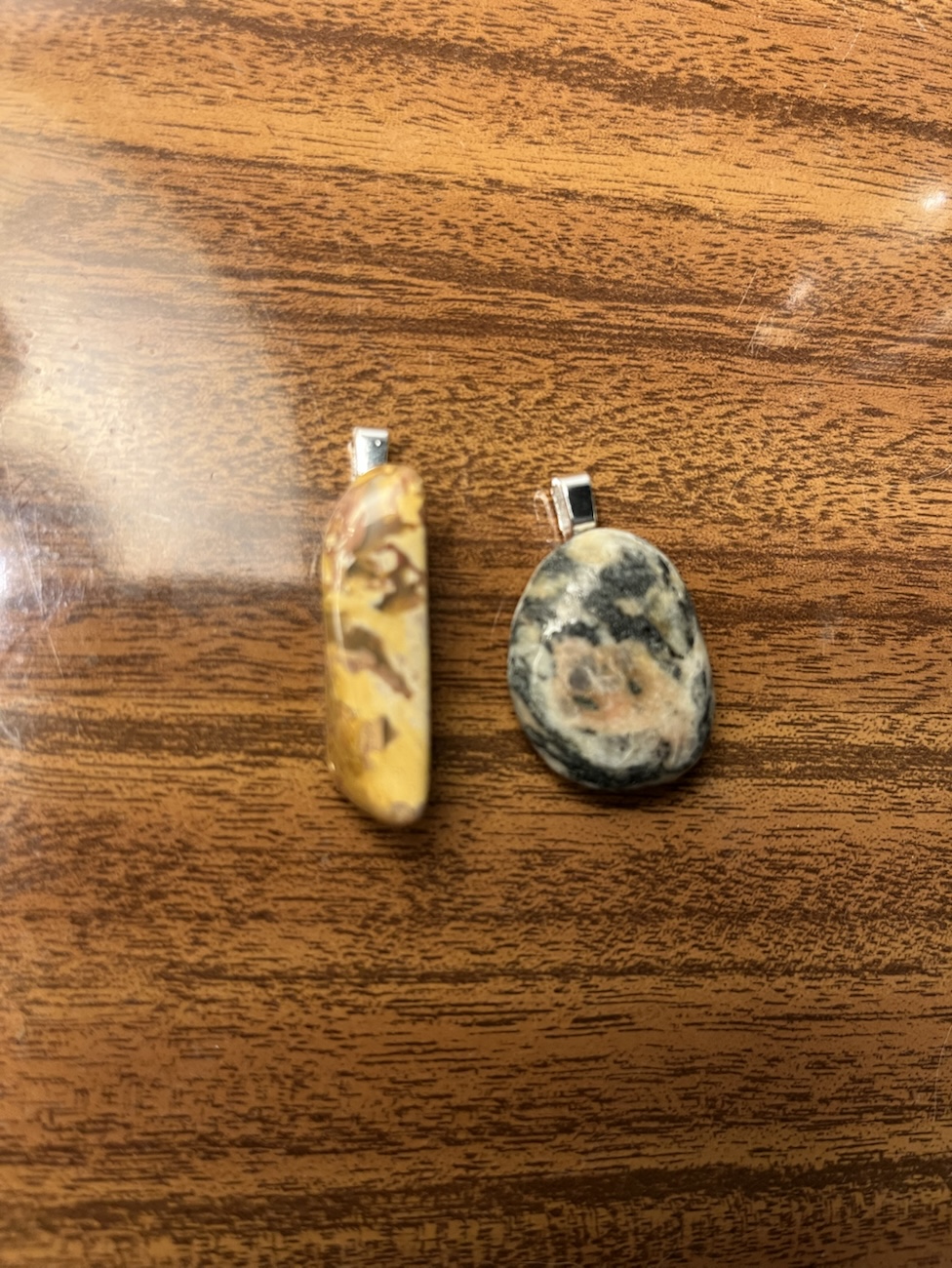
    Returning home, I channeled the day’s inspiration into creating handmade necklaces. These pieces, crafted from the rocks I just finished polishing from Lake Erie include polished fossils, granites, quartz, and more!

    As I worked, I reflected on the journey we’ve share. All the challenges, the growth, and the unwavering support. Each necklace will be available on Etsy shortly!

    A Day to Remember

    This anniversary wasn’t just about celebrating the past; it was about cherishing the present and looking forward to the future. From the thoughtful basket to the scenic hike, the pumpkin patch adventures, and the creative endeavors, every moment was a testament to our love and shared passions.

    As we continue to build our life together, I am reminded of the importance of tradition, creativity, and the simple joys that make our relationship unique. What is a tradition you love doing in your relationship? Tell me about it in the comments here or write a post on your blog and tag me!

    Links Poetizer Ko-fi

  • When Silence Speaks Back

    When Silence Speaks Back

    Write About Silence as If It Were a Person

    I think, it would walk softly but carry the weight of worlds. It would not announce itself. It would arrive between words, slip into the pause after laughter, and linger long after everyone else has gone home.

    Silence is both thief and teacher. It doesn’t always come empty-handed but, it never leaves without taking something, either.

    What Silence Steals

    Silence steals connection first. It builds walls between people who need to speak but can’t find the right words. It turns “I’m fine” into armor and conversation into an empty stare.

    It steals knowledge, too. The kind that grows in shared stories, in hearing others’ truths, and in daring to speak your own. When silence settles too long, understanding dies quietly underneath it.

    And it steals growth, the slow becoming that happens when we face conflict or confess fear. Silence freezes us in the moment before change, where everything we could say might shatter what we think we know.

    What Silence Gives

    Yet, silence gives, too. It brings peace, the kind that hums beneath chaos and exhaustion. It gives us room to breathe, to listen to ourselves when the world feels too loud.

    Silence also gives questions. Sometimes uncomfortable ones that echo in the dark: Who am I without the noise? What do I actually believe?

    And sometimes, silence gives fear. The fear that no one will answer back. The fear that the quiet means we’ve lost something vital or someone.

    The Balance Between Noise and Nothing

    Silence is never just absence. It’s a mirror. It shows us what we’ve hidden and what we’ve lost, but also what we’re strong enough to face.

    I’ve learned that silence isn’t my enemy and, it is only my reflection.

    What it steals, it teaches me to fight for.

    What it gives, I try to understand.

    In the end, silence doesn’t ask for my voice. It reminds me how much power I have when I finally choose to use it.

    Links Ko-fi Substack Etsy

  • The Scar on My Shin: A Middle School Memory

    The Scar on My Shin: A Middle School Memory

    Pick a Scar and Tell Its Story:

    I have a scar on my left shin. It’s a small, pale reminder from around 2003, back when I was a sixth grader at Bridge Street Middle School in Elm Grove, West Virginia.

    It was a “free day” in gym class, the kind every kid waited for. The gym was a normal one. Located in the school auditorium, long and rectangular, with bleachers lining one of the walls. About three-quarters of the bleachers ran along the wall, then there was an opening for the doorway, and on the other side, a smaller section, maybe a quarter of the full set.

    I was up top on the longer side, full of energy, no sense of danger. I came running down the steps with my friend Brittany right behind me. We were laughing, just messing around, not thinking twice about how fast we were going.

    I hit the bottom and made it to that open space between the bleachers, but Brittany didn’t. She slipped on a wet spot on the gym floor, lost her balance, and went sliding. Of course, straight into me.

    We crashed hard, and both of us went down.

    The smaller section of bleachers. You know that quarter part by the doorway I mentioned earlier. Had metal edges under, where you’d rest your feet. When we fell, one of those sharp metal bars caught my shin just right. It tore into my leg deep enough that I saw white… bone white. My favorite pants instantly stained with blood. Somehow remained unripped.

    A U-shaped chunk of skin was gone. There was blood everywhere. My stepdad nearly passed out when he saw it, upon picking me up.

    That was the first time I ever got stitches, but definitely not the first time I should’ve.

    Now, every time I look at that scar, it’s not just pain I remember. It’s that wild mix of laughter, fear, and youth. You know, the way chaos and joy used to collide so easily before life got complicated.

    That little scar on my shin is more than a mark.

    It’s a snapshot of who I was before the world told me to grow up.

    Poetizer links portfolio Ko-fi